
How to Increase Repeat Purchases: 6 Strategies for Retail Businesses

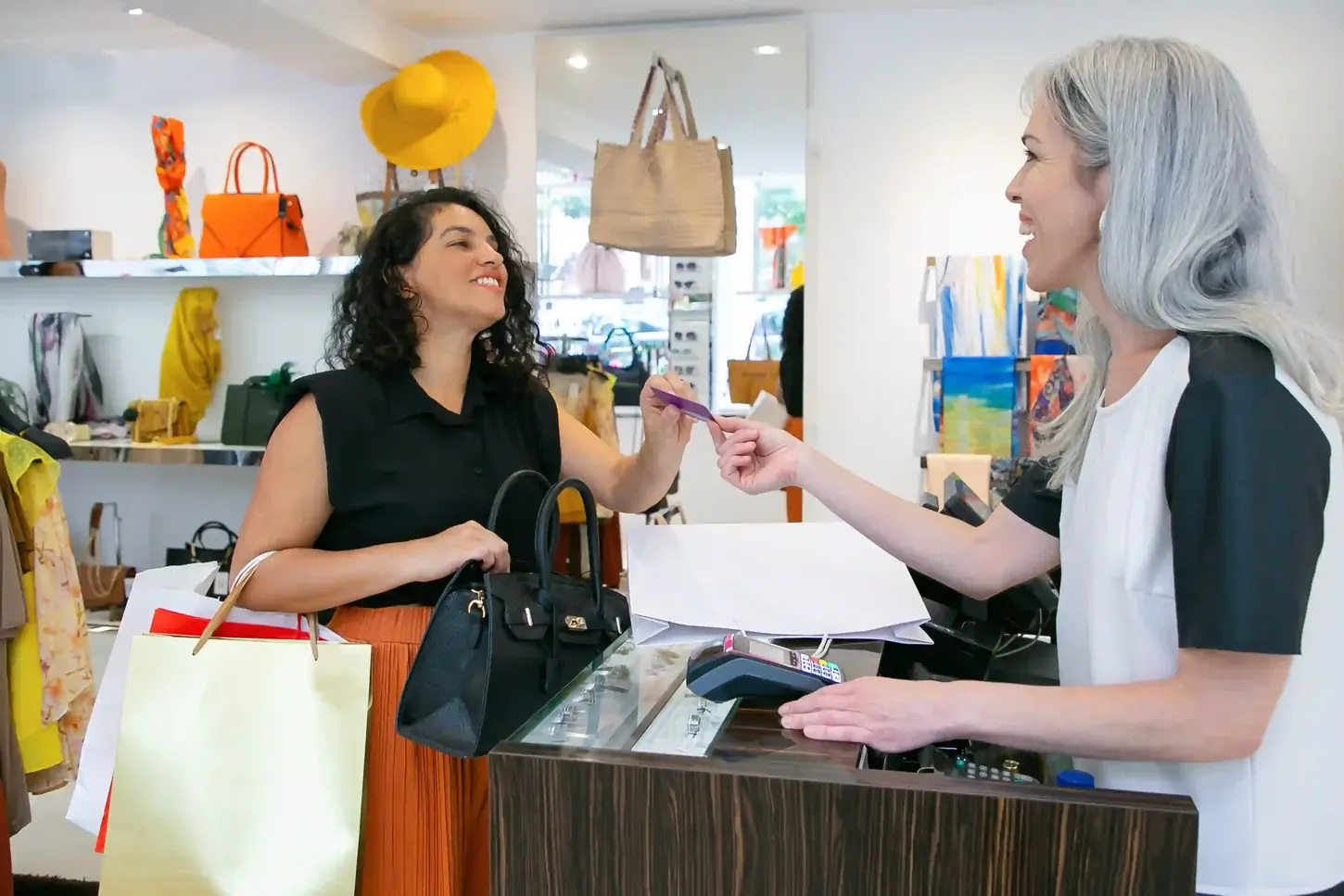
Acquiring new customers is not the only way to drive retail sales. Businesses must also encourage existing customers to return and shop again. Understandinghow to increase repeat purchases is therefore essential for building sustainable business growth.
A repeat purchase occurs when a customer buys from the same business more than once. This is closely linked to retail customer retention, which focuses on keeping customers engaged and giving them compelling reasons to choose your brand again. However, customers will not necessarily return simply because they have purchased from you before or received a discount.
So, how can retailers effectively increase repeat purchases?
1. Understand Your Customers’ Behaviour and Needs
Start by analysing frequently purchased products, transaction frequency, and customer preferences. Transaction data can help retailers identify regular shoppers as well as customers who are becoming less active.
These insights allow businesses to deliver more relevant communications and offers instead of sending the same promotions to everyone.
2. Deliver a Consistent Shopping Experience
The shopping experience influences whether customers choose to return. High-quality products, responsive customer service, a seamless checkout process, and clear information all help build trust.
Research published in the Journal of Consumer Behaviour suggests that service quality, reward programs, personalisation, and brand communities are positively associated with customer retention in retail contexts [1].
This means thatincreasing repeat purchases requires more than offering discounts. Retailers must consistently deliver a positive experience at every stage of the customer journey.
3. Build an Effective Customer Loyalty Program
Acustomer loyalty program gives shoppers additional incentives to return. Common approaches include points-based rewards, exclusive vouchers, member-only benefits, and access to special offers.
However, these programs must provide clear, relevant, and meaningful value. Harvard Business Review highlights that effective loyalty programs should encourage desirable customer behaviours while remaining commercially viable [2].
Ultimately, customer loyalty is built not only through rewards but also through consistent value and stronger relationships between customers and brands.
4. Personalise Your Promotions
Relevant promotions are more likely to capture customers’ attention than generic messages. Retailers can tailor offers based on previously purchased product categories, customer preferences, and transaction patterns.
For example, customers who regularly purchase skincare products could receive recommendations for complementary products that suit their interests. This approach makes communications more useful while supporting retail customer retention efforts.
5. Maintain Communication After the Purchase
Customer relationships should not end once a transaction is complete. Retailers can send thank-you messages, product care information, relevant recommendations, or replenishment reminders when appropriate for the product’s usage cycle.
Keep communications useful and avoid overwhelming customers. Give them control over their messaging preferences to maintain a positive brand experience.
6. Measure and Evaluate Repeat Purchase Performance
To determine whether your strategy is working, monitor the following metrics:
- Repeat purchase rate: The percentage of customers who make more than one purchase within a defined period.
- Purchase frequency: The average number of purchases made by a customer during a given period.
- Customer retention rate: The percentage of customers who remain active over a specified period.
- Redemption rate: The percentage of issued rewards or vouchers that are redeemed, where applicable.
Review these metrics regularly to identify effective strategies and improve programs that are underperforming.
Ready to Increase Repeat Purchases in Your Retail Business?
Understanding how to increase repeat purchases requires a comprehensive approach: knowing your customers, delivering consistent shopping experiences, introducing loyalty programs, personalising promotions, and measuring performance.
For retailers, a well-planned customer retention strategy helps build lasting customer relationships. With the right loyalty platform, businesses can manage loyalty programs more efficiently and deliver consistent experiences across multiple customer touchpoints.
Ready to build a more effective loyalty program? Discover howStamps.id can help your business manage loyalty programs and strengthen customer engagement.
References
[1] Ahmed, Z. U., et al. (2013). The empirical link between relationship marketing tools and consumer retention in retail marketing. Journal of Consumer Behaviour.https://doi.org/10.1002/cb.1408
[2] Burns, M., Pierce, A., & Abdel Motaal, B. (2024). Why Loyalty Programs Fail. Harvard Business Review.https://hbr.org/2024/09/why-loyalty-programs-fail
[3] Deloitte (2024). 2024 Consumer Loyalty Survey.https://www.deloitte.com/global/en/Industries/consumer/perspectives/consumer-loyalty-survey.html
