
What Is a CRM Tool? Everything You Need to Know Before Your Business Chooses the Wrong Platform

If you have thousands of customers but no clear picture of who hasn't purchased in months, who your most loyal buyers are, or who is quietly drifting toward a competitor that is precisely the gap a CRM tool is built to close.
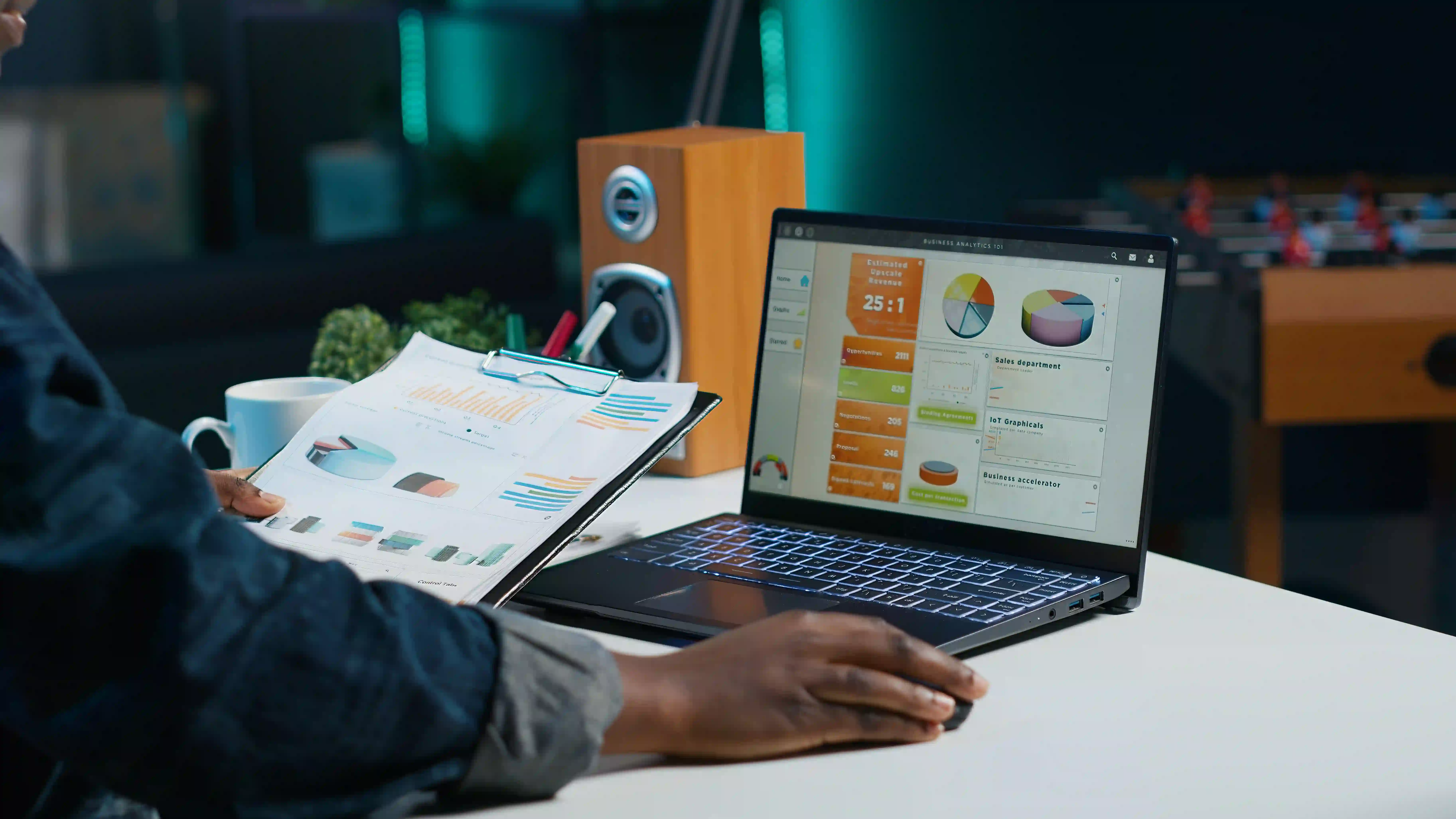
A CRM tool short for Customer Relationship Management tool is a software platform that helps businesses manage, analyse, and strengthen customer relationships in a structured, scalable way. From storing contact profiles and tracking transaction history to automating marketing communications, everything operates from a single unified platform. In short, a CRM toolis the strategic brain behind your customer engagement.
Why Modern Businesses Can No Longer Afford to Go Without CRM
According to Salesforce's State of CRM 2024 report, businesses that actively use a CRM platform see an average 27% improvement in customer retention and a 34% increase in sales team efficiency. Across Southeast Asia Indonesia included CRM adoption among SMEs and enterprise organisations has grown by more than 18% per year since 2022.
These figures are not coincidental. Competition is intensifying, customer expectations are rising, and the margin for error is narrowing. Businesses that fail to develop a deep understanding of their customers will inevitably fall behind. A CRM toolexists to prevent exactly that.
How a CRM Tool Works: Far More Than a Digital Address Book
Many business owners assume CRM is simply a fancier way to store names and phone numbers. In reality, its capabilities go considerably further.
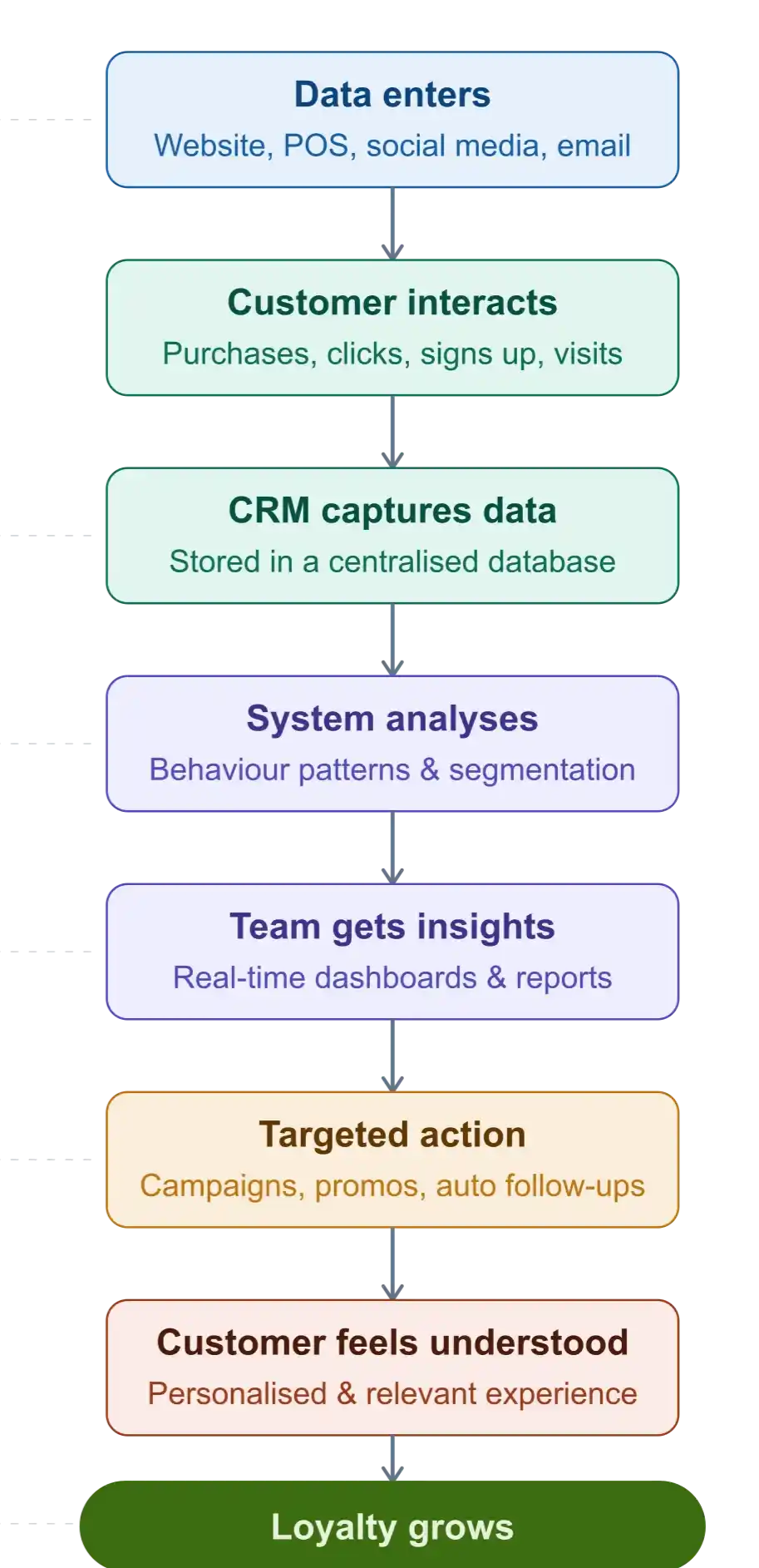
Technically, a CRM tool works by aggregating data from multiple customer touchpoints your website, social media channels, email, POS transactions, and loyalty programmes and consolidating everything into a single centralised database. From there, your sales, marketing, and customer service teams can access real-time customer profiles, build precise segments, design targeted campaigns, and measure performance outcomes with accuracy.
The Three Types of CRM Tools You Should Know
Not all CRM tools are built for the same purpose. There are three primary categories worth understanding before making a decision:
1. Operational CRM
Focused on automating day-to-day processes: sales pipeline management, automated follow-ups, and customer service ticketing. Best suited for sales and customer service teams that require high operational efficiency. Examples include HubSpot CRM and Zoho CRM.
2. Analytical CRM
Centred on processing customer data to surface meaningful insights — identifying your highest-value customers, predicting churn risk, and uncovering cross-selling patterns. Particularly valuable for businesses committed to data-driven decision-making.
3. Collaborative CRM
Designed to make customer information accessible and shareable across departments from marketing and sales through to after-sales support. This model is especially effective at eliminating the information silos that commonly plague larger organisations.
In Indonesia, a growing number of modern CRM platforms including Stampsalready combine all three functions, with particular strength in loyalty programme management and customer analytics for the retail and F&B sectors.
The Core Features Your CRM Tool Must Have
When evaluating a CRM platform, certain features should be non-negotiable:
- Contact and customer profile management; the foundation of every CRM function
- Customer segmentation; RFM-based (Recency, Frequency, Monetary) or demographic
- Campaign automation; email, WhatsApp, and push notifications triggered by behaviour
- Real-time dashboards and reporting; so decisions are grounded in evidence, not instinct
- Integration with existing systems; POS, e-commerce platforms, social media, ERP
- Loyalty programme capabilities; points, reward tiers, and referral mechanics to drive retention
These are not optional enhancements. They are the operational backbone of any effective customer strategy.
How CRM Tools Are Being Used by Businesses in Indonesia
To make this concrete, here are real-world examples of CRM in action across the Indonesian market:
F&B Industry: A major café chain uses CRM to track visit frequency, favourite products, and points redemption behaviour. The result? An automated "We Miss You" campaign is triggered for any customer who has not transacted in 30 days and win-back rates have improved significantly as a direct outcome.
Fashion Retail: Brands such as Levi's Indonesia leverage CRM data to identify loyal customers who regularly purchase specific product lines such as the 501 series and offer them early access to new collections. This approach builds a sense of exclusivity while driving repeat purchases.
Clinics and Healthcare Services: CRM is used to send appointment reminders, post-treatment follow-ups, and service promotions based on each patient's visit history.
Three industries, one consistent truth: businesses that understand their customers at an individual level win more consistently.
Comparing the Most Popular CRM Tools in Indonesia
Tool | Key Strengths | Best Suited For |
Stamps | Integrated loyalty + CRM, built for the Indonesian market | Retail, F&B, local enterprise |
HubSpot | Feature-rich, free tier available | Startups, SMEs, B2B |
Salesforce | Enterprise-grade, highly customisable | Large corporations |
Zoho CRM | Competitive pricing, comprehensive features | SMEs seeking scalability |
Freshsales | Intuitive interface, AI-powered | Sales teams just getting started |
There is no single correct answer. What matters most is alignment with your business scale, internal processes, and budget.
How to Choose the Right CRM Tool: A Practical Framework
Choosing a CRM is not about chasing the most popular name it is about finding the most relevant fit for your specific business needs. Consider the following before committing:
1. Match the tool to your business scale
An enterprise-grade platform like Salesforce may be unnecessarily complex for an SME. Start with what fits your current needs, but ensure the platform can scale as you grow.
2. Verify integration with your existing systems
A CRM that cannot communicate with your POS, e-commerce platform, or ERP will simply create new data silos rather than solve existing ones.
3. Prioritise team adoption
The most sophisticated system in the world delivers zero value if your team is unwilling or unable to use it. Ease of adoption should weigh heavily in your evaluation.
4. Consider local support
For businesses operating in Indonesia, working with a vendor that understands the local market context, data regulations, and language of communication is a genuine advantage.
5. Assess the true cost of ownership
Per-user fees, integration costs, and upgrade charges can add up quickly if not factored into your planning from the outset.
The CRM Trends Reshaping How Businesses Operate
The CRM landscape continues to evolve rapidly. The trends with the greatest current impact include:
1. AI and Predictive Analytics
Modern CRM platforms now incorporate churn prediction models, automated product recommendations, and machine-learning-powered prospect scoring. In Indonesia, adoption of these capabilities is accelerating across retail and financial services.
2. Omnichannel CRM
Customers today engage across multiple channels WhatsApp, Instagram, email, and in-store visits. A robust CRM unifies all these touchpoints into a single, coherent customer journey.
3. Loyalty as a Core CRM Strategy
In a market as competitive as Indonesia, simply "managing" customers is no longer sufficient. Businesses must build lasting emotional connections. A loyalty programme fully integrated with your CRM platform is increasingly the differentiating factor.
A CRM Tool Is Not Just Software It Is a Strategic Investment
A CRM tool is the foundation of any business that is genuinely customer-centric. By understanding who your customers are, what they need, and when is the right moment to reach them, your business does not merely grow it grows in a way that is sustainable and defensible.
In an Indonesian market that is becoming more digital and more competitive by the day, businesses investing in CRM today are building a competitive advantage that will be difficult for others to replicate tomorrow.The question is no longer whether your business needs a CRM tool. The question is how much longer you can afford to wait.
