
What Is CRM?

Editor: Amelia Qusnina, Stamps Editorial Team
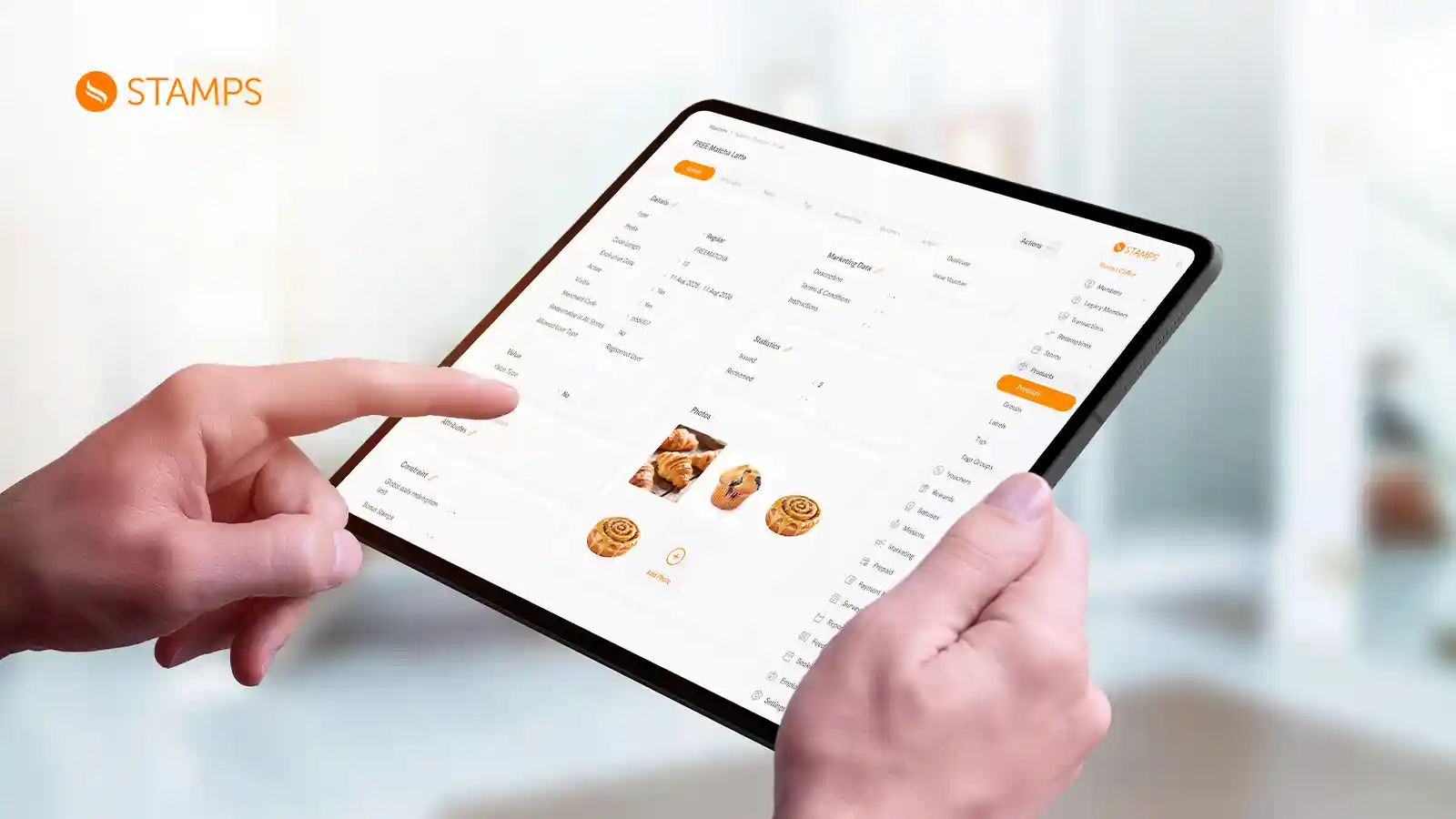
CRM (Customer Relationship Management) is a system and strategic approach that businesses use to manage customer relationships in a structured, data-driven, and sustainable way.
CRM goes far beyond storing customer data. A CRM system helps businesses to:
- Understand customer behavior and preferences
- Run relevant and personalized marketing campaigns
- Improve customer retention and lifetime value
- Connect marketing, sales, and operations within a single system
According to Salesforce, 73% of customers expect brands to understand their needs and preferences. Without a CRM system, meeting this expectation consistently is nearly impossible.
Why CRM Has Become a Business Essential Today
Markets are becoming more competitive, customer acquisition costs continue to rise, and customer loyalty is increasingly fragile. Harvard Business Review reports that increasing customer retention by just 5% can boost profits by 25–95%.
This reality makes CRM a highly relevant strategic solution. By adopting a data-driven approach, CRM enables businesses to understand customer behavior accurately instead of relying on assumptions.
Multiple studies show that businesses using CRM effectively can reduce acquisition costs, increase repeat purchases, and accelerate marketing decision-making through actionable insights.
Core Functions of CRM in Business
CRM serves as the central control system for customer relationships. It helps businesses manage data, analyze customer behavior, and execute marketing strategies more effectively. The key functions of CRM include:
1. Centralized Customer Data Management
CRM consolidates transaction data, interaction history, and customer preferences into one integrated system. With centralized data, business teams can access accurate customer information quickly and efficiently.
2. Behavior-Based Customer Segmentation
CRM allows brands to segment customers based on behavior, such as purchase frequency, transaction value, and campaign responses. This segmentation enables more precise and effective marketing strategies.
3. Marketing and Engagement Automation
CRM supports the automation of various marketing activities, including:
- Welcome emails for new customers
- Birthday reminders
- Abandoned cart notifications
- Reactivation campaigns for inactive customers
Automation helps brands maintain consistent communication without relying on manual execution.
4. Real-Time Analytics and Insights
With CRM, businesses can monitor campaign performance, customer retention rates, and customer lifetime value in real time. These insights enable faster, data-driven decision-making.
CRM vs Customer Database: What’s the Difference?
Many businesses still assume that CRM is the same as a customer database. In reality, their functions are fundamentally different.
- A database only stores customer data
- CRM transforms data into insights and actionable strategies
With CRM, businesses can answer critical questions such as:
- Who are the most loyal customers?
- Which campaigns deliver the highest impact?
- Which customers are at risk of churn?
The Role of CRM in Modern Marketing
According to McKinsey, data-driven marketing campaigns can increase ROI by 15–20%. CRM acts as the foundation for implementing this approach.
CRM enables brands to run:
1.Data-based content personalization
2.Lifecycle-driven marketing campaigns
3.Omnichannel strategies across email, WhatsApp, POS systems, and loyalty programs
As a result, customer communication feels relevant and valuable rather than intrusive promotional spam.
CRM and Loyalty Programs: A Powerful Combination
CRM becomes significantly more effective when integrated with a loyalty program. This integration allows businesses to:
- Reward customers based on behavior, not just transaction value
- Encourage repeat purchases more naturally
- Measure the direct revenue impact of loyalty initiatives
Industry studies consistently show that loyal customers can generate 3–5 times higher value than new customers.
CRM for Businesses in Indonesia: Strong Market Fit
In Indonesia, CRM adoption is increasingly relevant due to changing consumer behavior and intensifying competition. Key driving factors include:
- A rapidly growing digital-first consumer base
- Increasing brand competition across industries
- The need for greater marketing cost efficiency
From SMEs and retail brands to F&B businesses and large enterprises, CRM has become a critical tool for sustaining long-term growth.
CRM Is Not Just a Tool, but a Strategy
CRM is not merely software it is the foundation of a long-term business strategy. CRM connects customer data, marketing campaigns, and customer experience into a single integrated system.
Businesses that ignore CRM risk losing insight into their own customers and falling behind in an increasingly competitive market.
Manage Your CRM More Effectively with Stamps
If your business wants to manage customer data in a structured way, run more relevant marketing campaigns, and increase loyalty and repeat purchases, Stamps is the solution.
Stamps provides a CRM and loyalty program application designed for various business types, from CRM for cafés that rely on high repeat visits, CRM for retail with transaction-based promotions and customer management, to CRM for salons that depend on personalized services and visit scheduling.
With Stamps, customer data is transformed into behavior-based marketing strategies that are measurable, effective, and scalable.
